Oil Separation in Your Gap Filler Cartridge — 4 Things to Check Before You Scrap the Batch
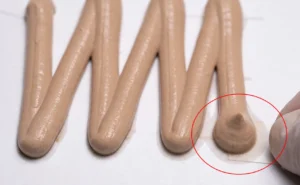
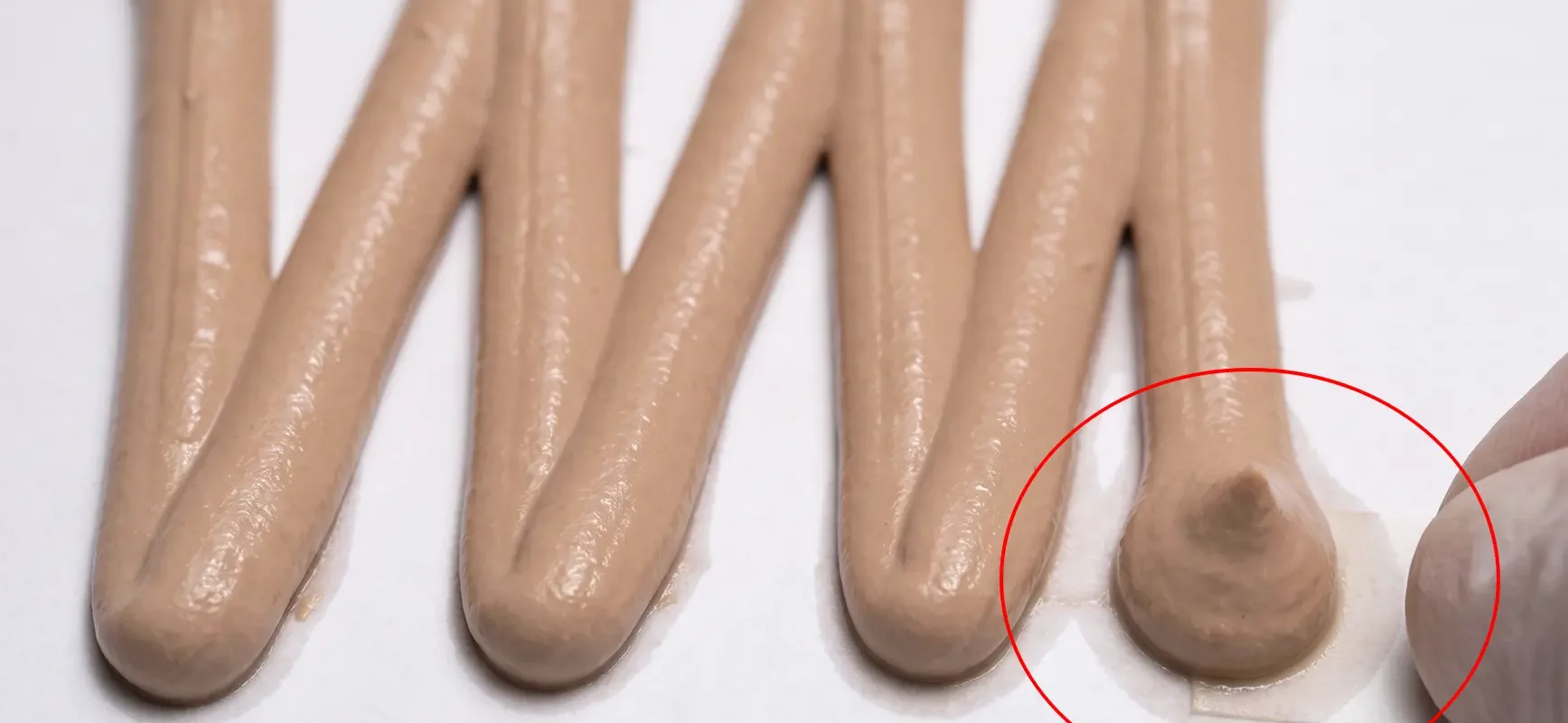
You pull a fresh cartridge from storage, attach it to your dispenser, and the first few grams come out looking wrong — oily, uneven, or visibly separated. Before you write off the material, read this.
The Most Important Thing to Understand First
Oil separation in silicone gap fillers is a physical phenomenon, not a sign of chemical degradation. The cure mechanism is intact. What you’re dealing with is a processability issue — and in most cases, it is fixable.
What Is Actually Happening — and Why
Oil separation in silicone gap fillers — also referred to as filler sedimentation or oil bleed — occurs because the thermally conductive filler particles (typically aluminum oxide or similar) are denser than the silicone carrier fluid.
Over time, especially when a cartridge sits still, gravity causes the two phases to drift apart. This is a physical process driven by density differential — the chemistry of the material is completely unaffected.
This matters because it changes how you respond. A chemically degraded material must be discarded. A physically separated material can often be recovered — if you know the correct procedure and have the right equipment.
Why It Matters in Production
Two consequences of oil separation are unacceptable in a production environment:
4 Things to Check Before Scrapping the Batch
Work through these four checks in order. Each one narrows the root cause and determines the correct corrective action — whether that is a purge, a protocol change, or a genuine material replacement.
Storage Time and Cartridge Orientation
Separation rate depends on storage time and cartridge orientation. A cartridge standing upright for 3+ weeks will show significantly more separation than one stored horizontally or rotated occasionally.
Check FIFO Rotation
If cartridges regularly sit past their recommended storage window, that is a process control issue — not a material defect
Check Storage Orientation
Horizontal storage or periodic rotation of stored cartridges significantly reduces the rate of filler sedimentation
Viscosity Grade of Your Material
Lower-viscosity formulations separate more easily because there is less resistance to filler particle movement through the carrier fluid.
If you are running a low-viscosity 2-part grade for fine-feature dispensing and seeing consistent separation, this is expected behavior for that product class. The solution is a tighter storage and rotation protocol — not a different material.
Where Is the Separation Occurring — Storage or Dispenser?
These are two different failure modes with different corrective actions.
Separation in Storage
Addressed by the correct purge procedure — see Check 4 below. The material is recoverable in most cases
Separation in the Dispenser
May indicate a flow rate mismatch between A and B components in the mixing head. Verify that the mix ratio at the output matches the spec (typically 1:1 by weight)
Have You Done the Purge Correctly?
This is the most commonly skipped step. Incorrect or incomplete purge procedure is the leading cause of contamination from oil separation in production.
Purge Before Production
Before production use, purge the first section of material from any stored cartridge. Volume depends on cartridge size and storage duration — consult your material supplier’s guidelines
Discard Purged Material
Purged material must not be used in production. Dispose of it and inspect the next output visually for consistency before running the first production part
Inspect Before Running
After purging, verify the output is homogeneous — uniform color, consistent texture, no visible oil streaks — before applying to production substrates
If Separation Has Already Occurred in the Cartridge
Visible phase separation — where you can see distinct oil and filler layers — requires a different approach from normal purging. There are two paths depending on your available equipment.
How to Prevent Oil Separation in Storage
Oil separation is predictable and largely preventable. These four practices eliminate most instances before they reach the production line.
Strict FIFO Rotation
Oldest stock is used first — no cartridge should sit past its recommended storage window. Label incoming stock with receipt date and enforce rotation at the production line
Horizontal Storage Orientation
Store cartridges on their side rather than upright. Gravity acts along the shorter axis, significantly slowing filler sedimentation rate during storage
Periodic Cartridge Rotation
For cartridges in long-term storage, rotate or invert periodically per the supplier’s recommendation to redistribute filler before separation becomes significant
Match Protocol to Viscosity Grade
Lower-viscosity grades require tighter storage protocols — shorter storage limits and more frequent rotation. Verify your protocol matches the specific grade you are running
Frequently Asked Questions
No. Oil separation — also called filler sedimentation or oil bleed — is a physical phenomenon, not chemical degradation. The cure mechanism is completely intact. The thermally conductive filler particles are denser than the silicone carrier fluid and drift apart during static storage. In most cases, the material is recoverable through correct purging or, for severe separation, remixing with vacuum degassing.
For mild separation: purge the first section of the cartridge before production use and inspect the output for homogeneity before running parts. For visible phase separation: mechanical remixing followed by vacuum degassing is the most effective recovery method — but only if degassing equipment is available. Without degassing, attempting remixing trades a separation problem for a voiding problem. Replace the cartridge and adjust your storage protocol.
Thermally conductive filler particles (aluminum oxide or similar) are denser than the silicone carrier fluid. During static storage — especially upright orientation — gravity causes the filler and carrier to drift apart over time. Lower-viscosity grades separate more readily because there is less resistance to filler particle movement through the carrier. Longer storage time and upright orientation both accelerate the rate of separation.
The correct purge volume depends on cartridge size and storage duration. Consult your material supplier’s TDS or application guidelines for the specific volume recommendation for your product. After purging, always inspect the output for uniform color and consistent texture before applying to production substrates — visible oil streaks mean purging is not yet complete.
Yes — directly. If the filler-rich and oil-rich fractions dispense unevenly, thermal conductivity will vary across the bondline. Areas where the oil-rich (low-conductivity) fraction was applied show higher thermal resistance than specified, creating hot spots that may not be detectable until thermal testing or field failures. This is why the purge step before production use is a process control requirement, not optional.
Bottom Line
Oil separation is a physical process, not a chemical failure. Purge correctly, rotate your stock, and match your storage protocol to the viscosity grade you are running. The material is recoverable in most cases — if you have the right equipment to handle it.